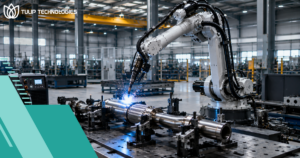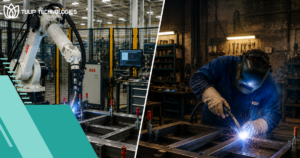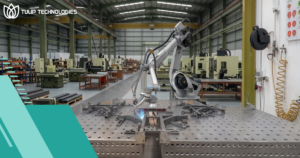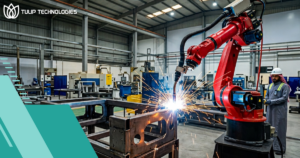
The quality of welds can dictate whether a metal fabrication company survives or fails. Poor welds are expensive. They lead to expensive repairs. They can hurt your reputation in the local market. Good-quality welds ensure that your clients are satisfied and that your employees stay safe. This article covers the real, measurable methods for improving the quality and reliability of your welds in factories in Saudi Arabia. We are not going to waste your time; every single method explained here will be helpful right now.
Why Weld Quality and Consistency Matter
Welding defects are very expensive. Cracked, dirty, and shallow welds create defective parts; defective parts waste materials and labor. Failure of the part means that you will not meet the deadlines, too. Consistency and quality of the process are equally important. One good weld does not make up for ten bad ones. Your customers will not trust your products if your welds are inconsistent.
Metal fabrication is the process of making metal products or structures by cutting, bending, welding, and shaping metal. It is used to create items such as frames, machinery parts, tanks, gates, and structural components. Weld quality in metal fabrication means how strong, clean, and reliable a weld is. It checks for cracks, gaps, weak joints, and other defects. Good weld quality ensures safety, durability, proper performance, and long-lasting metal structures.
Best Practices to Improve Weld Quality in Metal Fabrication
Train and Certify Your Welders Properly
Qualified welders achieve better outcomes. Training must not stop after hiring. It is advisable to send welders for training. Certify them for particular types of welding such as MIG, TIG, and stick welding. It is advisable to monitor their capability on a constant basis and not only once. New welders can be paired with skilled mentors on the shop floor. This ensures that they learn and make fewer mistakes. A well-trained team spots issues in advance.
Use the Best Welding Process for the Job
Not every task requires the same welding process. MIG is good for welding thin sheet metal, while TIG is more suited for precise work. Stick welding is better suited for outdoor work or for dirty surfaces. Using the wrong one can lead to weak welding joints. It can also lead to visible defects. The type of welding should be determined by the material, thickness, and environment. Getting this step right prevents many of the common issues that can occur even before the welding starts.
Maintain Your Welding Equipment Regularly
The use of old equipment results in inconsistent welds. In this regard, every welding machine must be checked before starting the work shift. It is necessary to inspect for frayed wires, clean contacts, and cables. Timely replacement of tips and nozzles is also important. Dirty and worn-out equipment causes unstable arcs. Maintaining logs is good practice, and one must keep a maintenance log for every machine.
Control Your Welding Environment
Delegating responsibilities helps keep track of gas flow and pressure.
Maintenance will save you a lot of time and money. Train in the workspace. The effects of wind, moisture, and dust can be damaging. When welding on an outside job, it is normally necessary to have wind shields to protect the gas. At indoor facilities, good ventilation is necessary. It is necessary to dress out all metals to keep them away from moisture.
Prepare Base Metal Before Welding
Surface preparation may not seem essential, but it is very important. Before you start any welding process, remove oil, rust, and paint. A wire brush or grinder is an option to clean the surfaces. Make sure to bevel the edges for thick materials. If the pieces don’t fit together properly, they will create gaps and weak joints. Make sure to check the alignment every time before starting the welding job. Clean materials and well-prepared surfaces lead to easier and better welding. It may take some extra time, but it will spare you a lot of time on corrections later.
Choose the Right Filler Metal
Make sure the filler metal corresponds with the base metal. Otherwise, the welds will be weak and brittle. Prior to starting the process, check the wire feed speed, voltage, and amperage settings. If the settings are too high, you may burn the material. If the settings are too low, you will get poor fusion.
Implement Standard Operating Procedures
Written procedures make less guesswork on the factory floor. Provide step-by-step instructions for common welding tasks. Include material specifications, settings, and inspection steps. Post these procedures near workstations for easy reference. Good documentation helps new employees learn faster. Experienced welders are the same from shift to shift. Standard procedures also aid in audits and quality checks. When everyone is on the same page with the same steps, output becomes very predictable and reliable.
Inspect Welds Consistently
Inspection finds problems before they leave your shop. Visually inspect each weld at a minimum. Use dye penetrant or ultrasonic testing of critical parts. Train inspectors to identify cracks, undercut, and porosity. Make a checklist to have a uniform inspection each time. Early detection prevents costly field failures. Regular inspection also provides feedback to welders. This loop of feedback improves skills and reduces repeat mistakes over time.
Track Data and Use Technology
Modern factories in Saudi Arabia benefit from digitally tracking weld data. Sensors can monitor live voltage, amperage, and travel speed. This data shows the patterns behind inconsistent welds. Digital work instructions take welders step-by-step. Connected systems see deviations before defects occur. Real-time dashboards display quality trends by shift. Data-driven decisions take the guesswork out of the shop floor. Saudi manufacturers with connected tools tend to have lower defect rates. Technology turns tribal knowledge into repeatable, shared processes.
Build a Culture of Continuous Improvement
Better quality in teams through open communication. Ask welders to report problems without fear. Hold short meetings to discuss the defects and their root causes. Progress is to be celebrated, not just mistakes. Get feedback from welders on tools and processes. Small changes proposed by workers often solve big problems. An improvement-oriented culture raises the bar. Consistency is a team habit, not just a management objective. This change of mindset produces lasting results.
Ready to Standardize Your Weld Quality?
Good intentions only go so far in improving weld quality. It takes clear procedures, trained people, and visibility to your process in real time. Tulip connects people, machines, and data on the shop floor for manufacturers. Tulip provides consistent operations at scale with digital work instructions and live quality monitoring. See how Tulip can help your team reduce defects and standardize your welding processes. Adopt the BARIQ welding robot system to get the advantages of speed and cost. Call us today to have a proven solution of the BARIQ welding robot on your factory floor in Saudi Arabia, ready for immediate implementation. Request a demo today and begin to build a more reliable fabrication process.
Frequently Asked Questions
What causes inconsistent weld quality?
Inconsistent training, poor equipment maintenance, and changing environmental conditions are common causes.
How often should welding equipment be inspected?
Check equipment before every shift. Inspect cables, tips, and gas flow daily. Schedule deeper maintenance weekly or monthly, for your specific machines.
What is the easiest way to reduce weld defects?
Proper base metal preparation is the easiest fix. Clean, dry, and well-aligned metal reduces porosity, cracking, and poor fusion significantly, often more than any other single change.
Can technology really improve weld consistency?
Yes. Sensors and digital work instructions track real-time data. This reveals hidden patterns behind defects and helps standardize processes across welders, machines, and shifts more than manual checks alone.