The GCC manufacturing sector is changing quickly due to Vision 2030, industrial diversification, and global competition. Many factories still use manual systems like paper instructions, Excel reports, and manual quality checks. These methods slow production and reduce efficiency, making it hard to scale. Modern platforms such as Tulip Technologies enable real-time, no-code manufacturing execution and help factories improve speed and quality.
This guide explains why manual production systems are slowing down GCC factories.
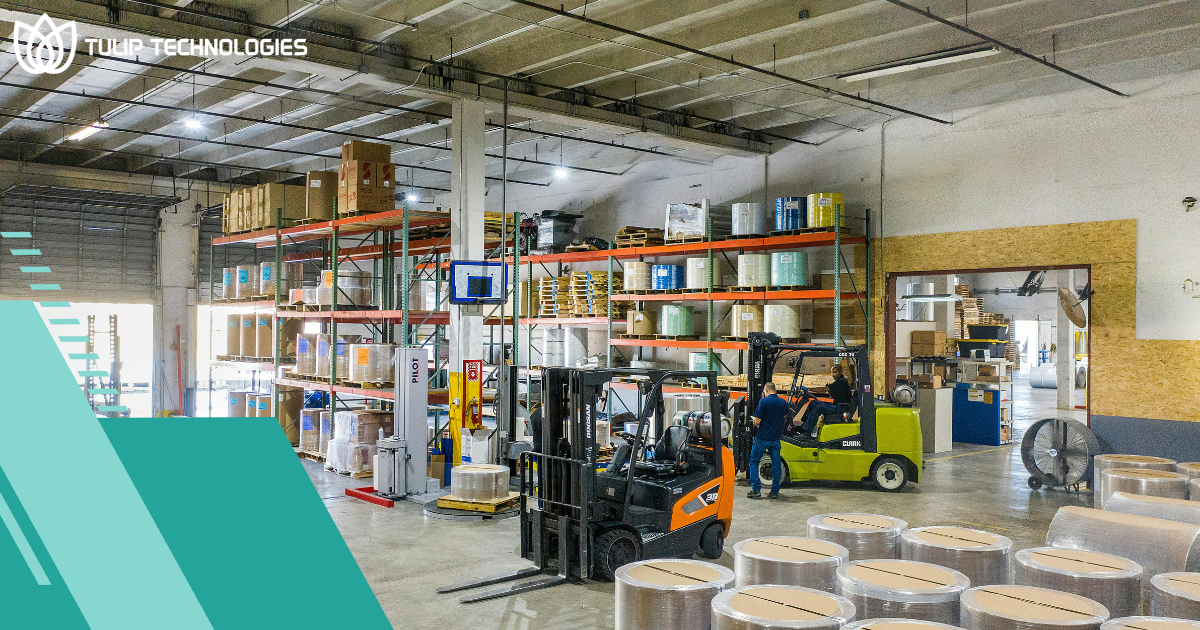
GCC factories are mainly manually operated, where most of the work is performed by hand. Machines are used on a very limited scale, and most decisions are made by supervisors. Handling, assembly, inspection and reporting are all done manually. This is a simple system, but it is frequently slow and not very accurate.
Errors can happen due to fatigue or a lack of standard procedures. Usually, data is captured on paper or spreadsheets, making it hard to track. There is also slow communication between the departments. Despite having been utilized for years, this system is unable to satisfy today’s competitive market’s needs for speed, quality and real-time production visibility.
Reasons Why Manual Systems Are Slowing Down GCC Factories
Human Dependency Delays Production
Manual systems are highly reliant on workers for each of their activities. The entire process is slowed down if a worker is missing or slow, which results in blockages in the production process. Machines are not used to 100% capacity, and work is fully based on a person’s work speed. This decreases efficiency, makes production less predictable and difficult to control.
High Error Rates in Manual Work
The manual operation has a high risk of wrong operation in production. Employees can miss steps or misread instructions, or they may record incorrect data. These inaccuracies cause substandard products and waste of materials. This has an impact on the quality of the products and a decrease in customer satisfaction in competitive GCC markets.
Poor Real-Time Data Visibility
Manual systems involve the use of paper spreadsheets or simple spreadsheets to record data. This poses a problem for managers when they want to get details on production in real-time. Information is not instant, and for this reason, decisions are delayed. A lack of live data means that factories will not be able to respond promptly to issues, resulting in inefficient and slow production response times.
Inefficient Communication Between Departments
Manual systems don’t make communication between departments such as production, quality and logistics quick and effective. Information is conveyed via paper records or oral reports, which leads to misunderstandings and delays. As the information is out-of-date and teams have limited access to it, this will impact coordination, and efficient workflow. This makes production planning less accurate and more time-consuming.
Difficulties in Tracking and Traceability
It can be very difficult to track materials and products manually. Records might be partial or missing. Defects and production problems are difficult to follow or to find rapidly. This impacts quality control and compliance. In factories, it is difficult to ensure consistent standards and to react fast to the customer’s or the auditor’s needs without digital tracking.
Step-by-Step Transition: From Manual to Digital Factory
Assess Current Manual Processes
First, it is necessary to conduct a study of all the current manual operations in the factory. Try to be aware of which tasks are performed to which standards, where delays occur and why errors occur, which helps in recognizing weak areas. Managers can then choose where to start the digital transformation to reach the greatest impact and efficiency most quickly.
Identify Key Production Pain Points
The factories need to have a clear picture of the significant issues, such as delays, errors or problems with tracking. Hence, companies can address critical issues first to make quick improvements in performance. This is done to see to it that the resources that are used are used effectively, and it is to bring about visible improvement in the production operations.
Introduce Digital Work Instructions
Convert paper work instructions into digital work instructions, tablet or screen-based, which will help employees to be guided step-by-step to minimize mistakes. If necessary, instructions can be changed instantaneously. which makes things more consistent and eliminates confusion. It also assists new employees to learn more quickly and become proficient in performing tasks, without over-dependence on supervisors.
Connect Machines and Data Systems
Incorporate machines and production systems to gather real-time data in an automated fashion. This eliminates the manual reporting requirements. Production monitoring is real-time, and any problems are identified in a timely manner. It enhances decision-making and minimizes downtime. Systems that are connected are building a smarter factory environment where data is flowing freely across all departments and operations.
Train Workers for Digital Adoption
Staff need to be equipped and trained to make effective use of digital tools to introduce necessary confidence for workers when interfacing with new systems. It eases resistance to change and the adoption rate. Learning is facilitated through simple interfaces. Digital systems make workers more efficient and familiar with the use of technology in their daily work in the factory.
Scale Digital Operations Across the Factory
Once successfully implemented, digital systems should be scaled up to the other departments, which leads to making it a complete factory. Scaling provides homogeneity of processes and improved process control. It also helps to make production lines more efficient. In the long run, the whole factory can be more flexible, quicker and more ready for future industrial needs.
The Solution: Digital Frontline Transformation with Tulip Technologies
The answer for the GCC factories is digital transformation offered by modern platforms like Tulip Technologies. Our platform enables the factories to step out of the paper era and reach connected and real-time production. Digital apps replace paper and enhance speed and accuracy. The instant data from the shop floor assists managers in making quick decisions. Processes are standardized and more controllable.
Errors are reduced through guided workflows, after which teams can communicate easily and in real-time. This transformation is one that will enhance productivity, quality and flexibility. It also supports factories to scale efficiently and remain competitive in the current industrial market by making them use smart digital tools instead of manual systems that are outdated.
Conclusion
Manual production systems cannot keep up with the fast growth of GCC manufacturing. They reduce speed in decisions, production, quality control, and scalability. Digital tools like Tulip Technologies help replace old methods with smart systems. Factories that adopt modern solutions now will lead industrial growth in the GCC in the coming years.
Frequently Asked Questions
Why are manual production systems still used in GCC factories?
Due to legacy processes, cost concerns, and lack of digital integration across shop-floor operations it is still in demand.
What is the biggest problem with manual manufacturing systems?
They cause delays, errors, and lack of real-time visibility into production operations.
How do manual systems affect factory productivity?
They slow down decision-making and increase dependency on human input, reducing efficiency.
Why is digital transformation important for GCC factories?
It improves competitiveness, efficiency, and aligns factories with Vision 2030 industrial goals.