Pharmaceutical products should be pure, safe, and effective until the moment they are consumed by the patient. Just a small quantity of contamination can endanger lives. Therefore, the packaging process in the production of medicines is a very important one. This is the final step in bringing the medicine to the market. Recently, the automation of pharma packaging has become a very reliable way of protecting pharmaceuticals from contamination and human mistakes. The significance of this process is very high, primarily in the Saudi market. Pharmaceuticals are taking fast steps forward, and the quality of medicines keeps increasing every year. In this article, we will discuss the underlying causes of contamination, the advantages of automation of the process, and the reason for the large investments of Saudi pharmaceutical companies in this technology.
Pharmaceutical packaging might involve some sources of contamination. Things like dust, moisture, microorganisms, chemical residues, and even human fingers may add additional material to the product. The manual processes used in pharmaceutical packaging are particularly exposed to contamination. They rely on people who work by hand, make decisions in the packaging process, and strive for consistency, which does not happen very often. People get tired and make small slips of the mind. People can carry tiny bacteria on their skin without being aware of it.
The traditional packaging process takes time as well, exposing the products to the open air for a longer time. Thus, the chances for airborne particles to settle on tablets or capsules, vials, or syringes become higher. If a batch of products has been contaminated, it might happen that the entire production run will need to be discarded, which is extremely costly and damaging for the image of the brand. This is where pharmaceutical packaging automation comes in to help. Automation introduces automated systems with less human contact and more control over the environment and the working process. It guarantees much higher precision than manual methods.
What Is Pharma Packaging Automation?
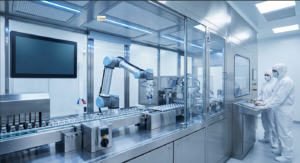
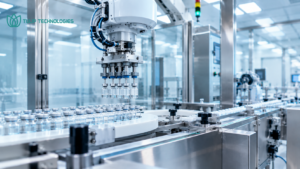
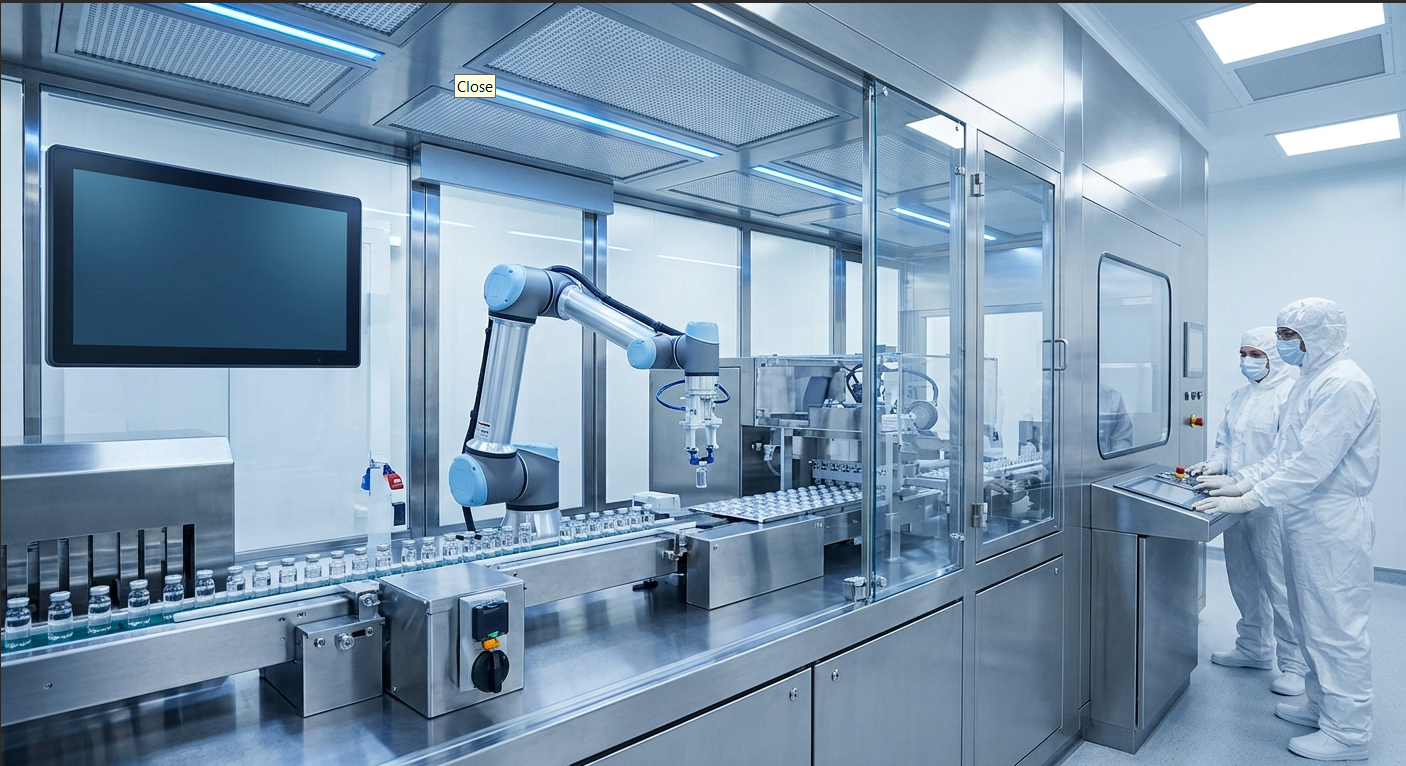
Pharmaceutical packaging automation is the process of applying robots, sensors, software, and machines in order to accomplish packaging functions that used to be manual operations. This refers to filling, sealing, labeling, inspecting, and sorting medicines. Automated processes work in clean environments (or cleanrooms) where humidity, temperature, and air are strictly controlled.
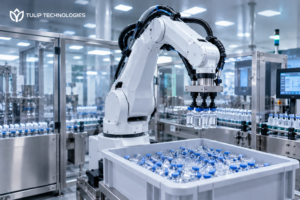
Instead of using people to handle the products, machines perform those routine operations for their own benefit. Robotic arms transfer vials. Automated systems monitor any flaws. Sealing machines make sure that every package is airtight and contains no leaks. The entire process is controlled by the computer, which minimizes the possibility of mistakes and the risk of contamination.
How Automation Prevents Contamination
Reduced Human Contact
Automation has the benefit of decreasing the requirement for human intervention. Manual labor is one of the chief contributors to contamination in drug packaging. By utilizing automation systems, we can significantly cut down on the chances of dust, particles, oils, and other microbes settling and interfering with and contaminating the medicines.
Controlled and Sterile Environments
Most of the modern automated systems used for pharmaceuticals are set up in a controlled environment. Such settings are made sure to be free from dust, moisture, and airborne germs. There are specialized air systems and the use of sterile equipment that avoid any risk of contamination.
Consistent and Repeatable Processes
Machines never fatigue or lose concentration. Each machine’s operations are identical and accurate each time. This constant performance is very important in the pharmaceutical packaging industry, as one small deviation can lead to a defect. Automated systems are able to seal, label, and package many items with accuracy, lowering the level of risk for contamination.
High Technology Inspection
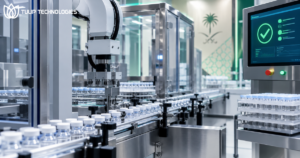
Automation allows not only to speed up the process but also to employ more advanced methods of checking the process. Cameras, sensors, and systems based on artificial intelligence can detect defects that cannot be seen by a human being. If the packaging fails to meet quality standards, it is removed by the automated systems.
Reduced Exposure Time
Manual processes involve the exposure of products to open air, where they undergo changes or are observed by workers. On the contrary, automated processes contribute to a significant decrease in this exposure in the manufacturing environment. All processes proceed quickly and smoothly, so products are exposed to the open atmosphere only for a short while before being sealed in a controlled environment.
Traceability and Data acquisition
Automation in the packaging line generates a lot of useful information. Thus, a manufacturer receives and records data regarding the temperature, humidity of products, and occurrence of any errors. In the case of contamination, the manufacturer can trace the exact point where it happened.
Why the Saudi Market Is Embracing Pharma Packaging Automation
Saudi Arabia is making big strides to boost its local pharmaceutical manufacturing capabilities as part of Vision 2030. The government wants to cut dependence on imported medicine and build a more resilient and self-sufficient healthcare supply chain. This has sparked a wave of investment in modern manufacturing plants across the Kingdom. With new pharmaceutical plants coming on stream in cities such as Riyadh, Jeddah, and Dammam, companies are choosing to build their packaging lines around automation from day one. This way, they can meet international quality standards while keeping production efficient and scalable.
Industry Standards & Compliance
The Saudi Food and Drug Authority (SFDA) has also issued stringent regulations on pharmaceutical safety and quality. Good Manufacturing Practices (GMP) must be followed by manufacturers to ensure their products are safe for public use. Pharma packaging automation makes it easier for companies to meet these strict compliance requirements. Automated systems create detailed records, reduce human error, and maintain consistent quality, all of which align perfectly with SFDA expectations. Another reason Saudi companies are adopting automation is the region’s growing demand for pharmaceutical products.
The Future of Pharma Packaging in Saudi Arabia
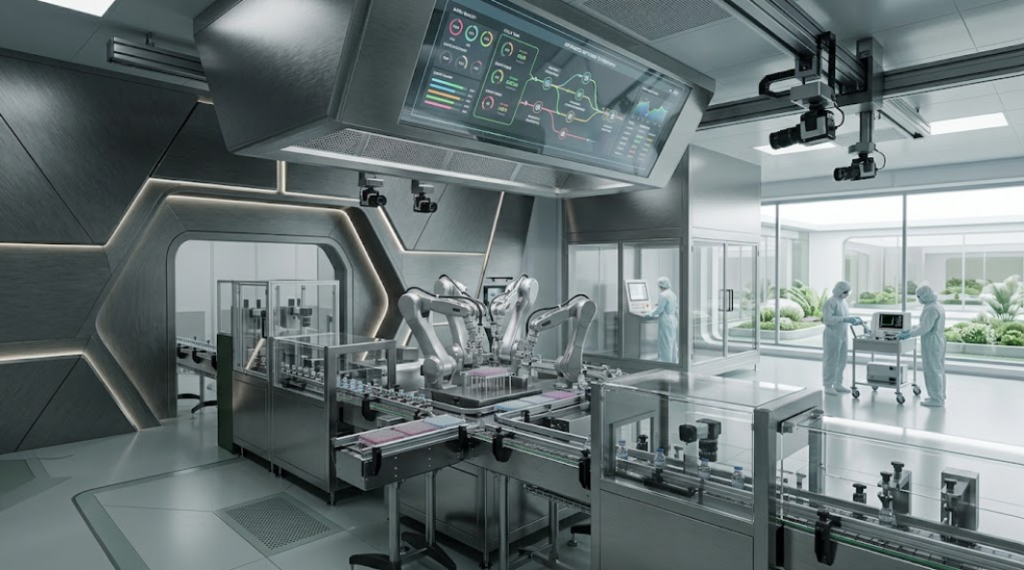
With the growth of the Saudi pharmaceutical industry, automation is likely to become a must-have rather than a nice-to-have upgrade. New facilities focus on smart packaging lines, AI-driven quality checks, and fully integrated digital monitoring systems. This shift toward advanced pharma packaging automation is part of a larger trend throughout the global pharmaceutical industry where safety, speed, and precision have to work in concert.
Local Market Growth
International pharmaceutical companies entering the Saudi market are also expected to bring their automated technologies with them. This will improve the quality of packaging standards in KSA and encourage local manufacturers to continue to upgrade their own systems to remain competitive. Sustainability is another growing area of importance. Automated packaging systems can help reduce waste of materials by cutting with higher accuracy and making better use of resources. This would be beneficial for the environment as well as for savings, both of which are important to today’s pharmaceutical companies in Saudi Arabia.
Step Forward to Prevent Contamination in Pharma Packaging
Contamination is one of the most significant risks to pharmaceutical safety, but automation provides a compelling solution. Automation in pharmaceutical packaging greatly reduces the risk of contamination at each step of the production process by minimizing human contact. It ensures sterile environments, maintains consistent procedures, and utilizes advanced inspection systems. This is not a passing trend in the Saudi market for this technology. It is fast becoming a key component of the country’s plan for a strong, reliable, and world-class pharmaceutical industry.
Automation will continue to be at the heart of safe, efficient, and high-quality pharma packaging as Vision 2030 continues to shape the future of local manufacturing. For manufacturers, today’s investments in automation are about protecting patients, meeting stringent regulations, and staying competitive in a fast-growing market. There is no question that the future of pharmaceutical packaging in Saudi Arabia is toward smarter, safer, and more automated solutions.
Automate Your Pharma Packaging with Tulip Robotic Solutions
Looking to prevent pharmaceutical product contamination and increase productivity? Tulip’s robotic and automation solutions are designed for Saudi pharmaceutical manufacturers who want to comply with SFDA standards without slowing down production. Tulip helps you reduce human error, maintain sterility, and confidently scale your production from accurate filling to automated inspection and sealing. Whether you are upgrading an existing line or building a new facility under Vision 2030, our team offers customized automation systems built for the Saudi market. Contact Tulip Technologies today to schedule a consultation and learn how automation can revolutionize your pharma packaging process.
Frequently Asked Questions
What is pharma packaging automation?
It is the use of robotic systems and smart technology to handle packaging tasks like filling, sealing, and inspection.
How does automation reduce contamination risk?
It minimizes human contact and keeps products inside controlled, sterile environments throughout the process.
Is Tulip’s automation compliant with SFDA regulations?
Yes, Tulip’s automation solutions are designed to help manufacturers meet GMP and SFDA compliance requirements.
Can automation work for small and large pharma facilities?
Yes, Tulip offers scalable robotic solutions suited for both new plants and existing production lines. Automation helps prevent contamination in pharma packaging.