Factory digitization in KSA is turning traditional manufacturing into smart, connected operations. By adopting advanced digital technologies, companies boost performance, productivity, and cost savings, remaining competitive in a fast-changing global market. With Saudi Arabia’s expanding industrial sector, digitization fits seamlessly with Vision 2030 goals. Tulip Technologies guides this transformation, fostering innovation and helping businesses realize the full potential of Industry 4.0.
The process of digitization in the Kingdom of Saudi Arabia (KSA) is changing traditional manufacturing into a smart, connected one. The use of modern technologies allows factories to become more efficient with their operation, reduce costs and improve the quality of the products.
This online transformation allows making decisions based on data in real-time. It allows the management, operators, and engineers to work together in a balanced manner, improve processes, and react to the demands of the market swiftly. As the industrial modernization initiated by Vision 2030 attracts digital tools, Saudi factories are eager to become sustainable in terms of growth, competitiveness, and innovation. This is supporting them in creating a future-proof manufacturing industry that is technologically.
Key Drivers of Factory Digitization in KSA
Government Activities and Vision 2030
The industrial policies and the Vision 2030 of Saudi Arabia promote the process of digitization to expand the economic changes. Best policies, grants, and incentives encourage manufacturers to implement smart technologies and enhance productivity. They stay in line with the global industrial standards, which encourage innovativeness and competitiveness in the industry.
International Competition and Market Needs
The expansion of international competition forces Saudi manufacturers to embrace digital solutions. Customers have become more demanding regarding quicker delivery, quality and customization. Hence, factories are utilizing automation, predictive analytics and interconnected systems to keep pace in the global market.
Cost Reduction and Operational Efficiency
Digitization simplifies the manufacturing processes, and it reduces manufacturing errors and downtimes. Factories can reduce the operational costs considerably as well as enhance the production speed, reliability and efficiency of the overall process. They have been incorporating real-time monitoring, predictive maintenance and resource optimization.
Changing the Workforce and Skills
The digital expertise of the workforce is required in smart factories. Digitization promotes up-skilling of employees, creating knowledge-based positions and facilitating human-machine interaction. The change improves the safety, productivity, and engagement of employees in operations in manufacturing settings.
Core Technologies Driving Factory Digitization in KSA
The IIoT links machines, sensors, and devices throughout the factory, providing an opportunity to monitor and make predictions in real-time. This connectivity helps the managers to look ahead and streamline operations and visibility of supply chains. The systems based on AI use production data to predict maintenance, streamline working processes, and enhance quality management. Advanced analytics transform complex data into informative and actionable data.
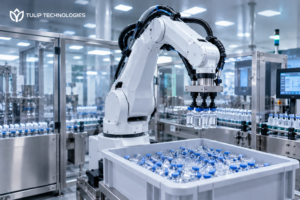
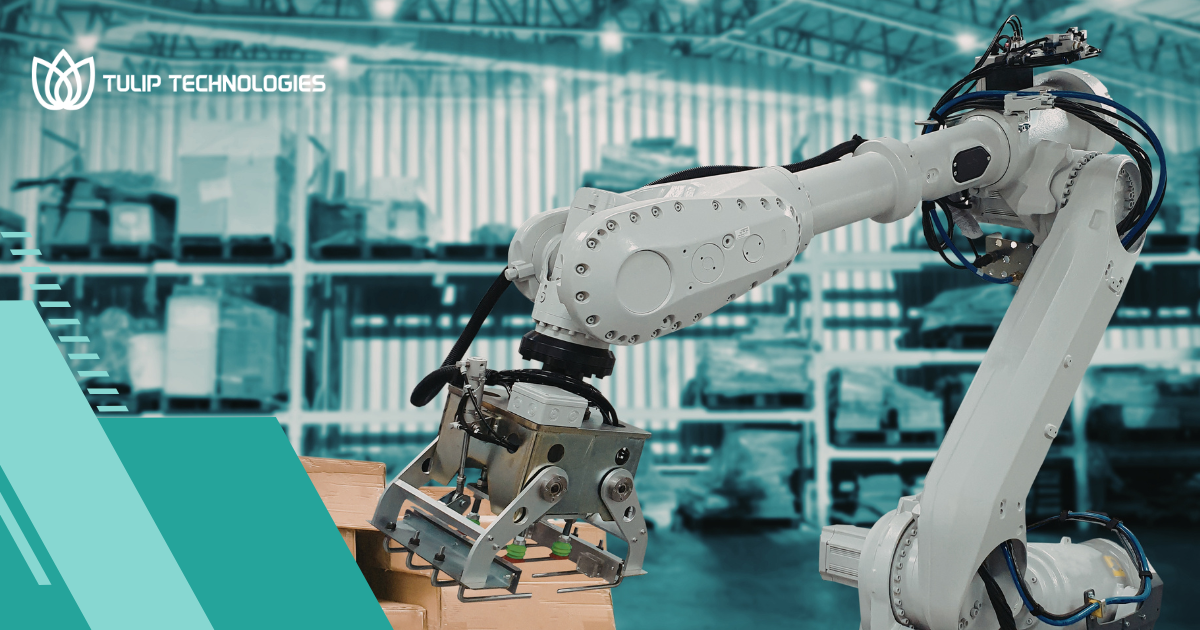
Repetitive work is simplified by robots that improve accuracy, speed and safety. This automation minimizes human error and the cost of labor. It enables the employees to concentrate on the strategic and more valuable aspects, boosting overall productivity and efficiency.
Cloud computing facilitates safe storage and sharing of data and scalability. Digital twins create virtual representations of the factory processes so that they can be tested to explore the performance and plan scenarios.
Significant Benefits of Factory Digitization to Know
Enhanced Operational Efficiency
Digitization cuts production jams, enhances the allocation of resources and the quality of outputs. On-time tracking and automation can simplify operations by enabling the factory to achieve set targets better and more consistently, reducing wastage and energy usage.
Cost Savings and Resource Optimization
Smart technologies provide an opportunity to have full command over energy, materials, and labor. Predictive maintenance and workflow optimization will reduce unexpected downtimes, minimize waste, and decrease the use of resources.
Improved Product Quality and Consistency
High-tech sensors, analytics, and automation are used to ensure the maintenance of the quality standards. Constant checking will result in early delivery of defects to minimize rework and increase customer satisfaction with high-quality and reliable products.
Data-Driven Decision
Digital systems produce insights into complex operations which are actionable. The overall agility and responsiveness to market changes can be enhanced through managers and engineers. They will be able to make informed decisions based on their challenges and planning, which allows them to anticipate challenges and make plans.
Workforce Empowerment and Safety
Digitization expands the skills of the workforce by upskilling and providing technology assistance. Automation removes the risk of human exposure to dangerous activities, enhancing safety and enabling staff to concentrate on activities that are more innovative and knowledge-based.
Major Challenges in Implementing Digitization in KSA
Factory digitization in Saudi Arabia comes with a wide range of obstacles. Smaller manufacturers might face the issue of high initial costs of investment and low predictability of ROI. The lack of digital skills in the labor force leads to adoption gaps, causing risks to cybersecurity and the confidentiality of personal data. Older equipment can be incompatible with the newer systems, and it may need retrofitting at a high cost.
Moreover, the slow implementation is facilitated by cultural resistance towards change and a lack of awareness of technology. Regulatory and standardization concerns also hinder the widespread adoption. To be successful in digitization, the process shall be planned. It is important to involve the stakeholders, go for strong training, and perform gradual implementation of technology to guarantee growth.
Step-by-Step Approach to Factory Digitization in KSA
Assessment and Goal Setting
Start by analyzing current processes, technology flaws and business targets. Assess the essential key performance indicators, create accurate digital transformation objectives and focus on areas that have the greatest effect on performance, cost reduction, and quality improvement.
Selection and Planning for Technology
Select the right digital tools, including IIoT, AI, robotics, and cloud systems, according to the factory requirements. Design schedules, budgets and architecture of the systems to be used to implement the system in a seamless and scalable manner.
Pilot Implementation and Testing
Implement technologies in a controlled environment or on selected production lines. Track performance to determine challenges. This will help to streamline processes to be done before full-scale rollout to avoid disruption with maximum learning opportunities.
Complete Implementation and Documentation
Roll out the digital solution across the whole factory. Develop a system of continuous control, performance review, and continuous improvement to ensure performance, streamline processes, and adapt to changing market requirements and technological innovations.
Embracing the Future: Digitization for KSA’s Industries
Adopting factory digitization is essential for KSA’s industries, offering better results, productivity, and global competitiveness. Aligned with Vision 2030, digital transformation ensures long-term growth and innovation. Tulip Technologies empowers businesses to navigate this journey, encouraging industries to adopt smart technologies.
Frequently Asked Questions
Why is digitization important in KSA?
It supports Vision 2030 by improving efficiency, reducing costs, and boosting industrial competitiveness.
What technologies are used in smart factories?
Common technologies include IoT, AI, robotics, cloud computing, and big data analytics.
What are the main challenges of digitization?
High costs, lack of skilled workers, cybersecurity risks, and integration with old systems.
How can small manufacturers adopt digitization?
They can start with cloud tools, automation of key processes, and gradual digital upgrades.